
 Cooking
Introduction
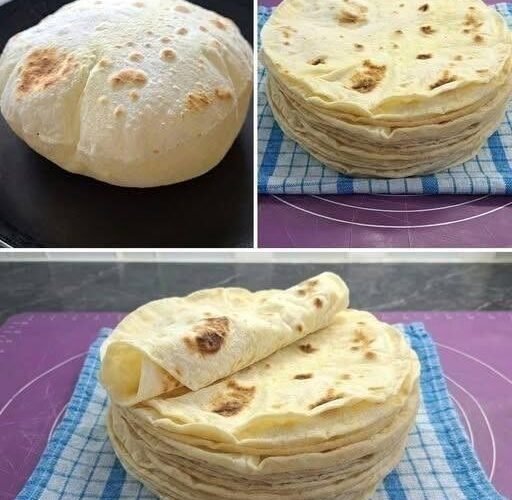
Homemade Gluten-Free Tortillas are soft, flexible, and delicious flatbreads that are perfect for tacos, wraps, quesadillas, burritos, and everyday meals. Made without traditional wheat flour, these tortillas use a simple combination of gluten-free flour, warm water, oil, and a few pantry staples to create a tender texture and mild flavor.
Store-bought gluten-free tortillas can sometimes be expensive, dry, or difficult to fold without cracking. Making them at home allows you to control the ingredients, adjust the thickness, and enjoy freshly cooked tortillas whenever you like.
Ingredients
- 2 cups (280–300 g) gluten-free all-purpose flour blend
- 1 teaspoon baking powder
- ½ teaspoon salt
- 2 tablespoons olive oil or vegetable oil
- ¾ cup (180 ml) warm water, plus more if needed
- 1 teaspoon xanthan gum, only if your flour blend does not already contain it and the recipe requires it
Optional ingredients:
- ½ teaspoon garlic powder for extra flavor
- 1 tablespoon olive oil for a slightly softer texture
- A little extra gluten-free flour for dusting
Important: Choose a gluten-free flour blend designed for baking or flatbreads. Different blends absorb water differently, so you may need to adjust the amount of water slightly. Do not add extra xanthan gum if your blend already contains it.
Instructions
Step 1: Combine the Dry Ingredients
In a large mixing bowl, add the gluten-free flour, baking powder, and salt. If your flour blend does not contain xanthan gum and requires it for flexibility, add the measured amount now.
Whisk the ingredients together thoroughly so the baking powder and salt are evenly distributed.
If you want flavored tortillas, add garlic powder or a pinch of dried herbs at this stage.
Step 2: Add the Oil and Warm Water
Pour the olive oil into the dry mixture and stir briefly.
Gradually add the warm water, mixing with a spoon or spatula as you go. Start with about three-quarters of the water and add more if the mixture seems too dry.
The dough should feel soft and pliable rather than sticky or crumbly. Gluten-free flour blends vary, so use the texture of the dough as your guide.
Step 3: Knead the Dough
Transfer the dough to a clean work surface or knead it directly in the bowl.
Gently knead for 2–3 minutes until the ingredients form a smooth, uniform dough. Unlike wheat dough, gluten-free dough does not need extensive kneading to develop gluten.
If the dough cracks when pressed, add a teaspoon of water at a time. If it is too sticky to handle, sprinkle in a small amount of gluten-free flour.
Step 4: Let the Dough Rest
Cover the dough with a clean kitchen towel or place it in a covered bowl. Let it rest for 15 minutes at room temperature.
This resting period allows the flour to absorb the water more evenly, making the dough easier to shape and roll.
Keep the dough covered while working to prevent the surface from drying out.
Step 5: Divide the Dough
Divide the dough into eight equal portions and roll each portion into a ball.
Place the balls under a kitchen towel while you work on each tortilla.
If the dough feels fragile, handle it gently. Gluten-free tortillas often benefit from being rolled between two sheets of parchment paper rather than directly on the countertop.
Step 6: Roll Out the Tortillas
Place one dough ball between two sheets of parchment paper. Use a rolling pin to roll it into a thin, round tortilla approximately 6–8 inches (15–20 cm) in diameter.
Aim for an even thickness so the tortilla cooks uniformly.
Carefully peel away the top sheet of parchment. If the dough sticks, replace the paper and roll again with a light dusting of gluten-free flour.
Repeat with the remaining dough balls, keeping the rolled tortillas covered until ready to cook.
Step 7: Heat the Skillet
Place a nonstick skillet or cast-iron pan over medium to medium-high heat. Allow it to become hot before adding the first tortilla.
You generally do not need to grease the skillet because the dough already contains oil. If your pan tends to stick, wipe it with a very thin layer of oil.
A properly heated skillet helps the tortillas cook quickly while remaining soft.
Step 8: Cook the Tortillas
Carefully transfer one tortilla to the hot skillet. Cook for approximately 45–60 seconds, until small bubbles appear and light golden spots develop underneath.
Flip the tortilla and cook the other side for another 30–60 seconds.
Avoid cooking the tortillas for too long, as excessive heat or prolonged cooking can make them dry and brittle.
Transfer the cooked tortilla to a clean plate and cover it with a kitchen towel to retain moisture. Repeat with the remaining tortillas.
Step 9: Keep the Tortillas Soft
Stack the warm tortillas under a clean towel as they finish cooking. The trapped warmth helps soften them and makes them easier to fold.
If a tortilla feels slightly stiff, warm it briefly in the skillet or microwave it for a few seconds with a lightly damp paper towel.
Serve warm for the best flavor and flexibility.
Tips for Perfect Gluten-Free Tortillas
- Use the right flour blend: A gluten-free blend formulated for bread or flatbreads often works better than a single flour.
- Adjust the water gradually: The dough should be soft enough to roll without crumbling.
- Use parchment paper: This makes rolling and transferring delicate dough much easier.
- Avoid overcooking: Longer cooking can remove too much moisture and cause cracking.
- Keep tortillas covered: Covering them after cooking helps maintain their softness.
- Roll evenly: Uniform thickness ensures the tortillas cook at the same rate.
Delicious Ways to Serve Gluten-Free Tortillas
These homemade tortillas are versatile enough for many meals.
- Tacos: Fill with seasoned chicken, beans, vegetables, or grilled fish.
- Burritos: Add rice, beans, meat, lettuce, and your favorite sauce.
- Quesadillas: Fill with cheese and vegetables, fold, and heat until the cheese melts.
- Breakfast wraps: Add scrambled eggs, avocado, and sautéed vegetables.
- Flatbread wraps: Use hummus, grilled vegetables, or leftover roasted chicken.
Storage Instructions
At room temperature: Keep tortillas covered and consume them the same day.
In the refrigerator: Store cooled tortillas in an airtight container with parchment paper between them for up to 3–4 days.
In the freezer: Place parchment paper between each tortilla, then store them in a freezer-safe bag for up to 2 months.
To reheat, warm refrigerated or thawed tortillas in a skillet for 15–30 seconds per side. You can also microwave them briefly under a lightly damp paper towel.
Frequently Asked Questions
Why are my gluten-free tortillas cracking?
The dough may be too dry, the tortillas may be too thick, or they may have been overcooked. Add a little more water to the dough and keep cooked tortillas covered.
Can I make these tortillas without xanthan gum?
Yes, depending on your flour blend. A blend containing suitable binders may not need additional xanthan gum. Without any binder, tortillas may be more delicate and harder to fold.
Can I make the dough ahead of time?
Yes. Store the covered dough in the refrigerator for up to 24 hours, then let it soften slightly at room temperature before rolling. If it feels dry, knead in a small amount of water.
Are these tortillas vegan?
Yes. The recipe contains no eggs or dairy, provided your flour blend and other ingredients are suitable for a vegan diet.
How can I ensure the tortillas are truly gluten-free?
Use certified gluten-free ingredients when necessary, check labels for cross-contact warnings, and prepare the tortillas on clean surfaces with clean utensils if cooking for someone with celiac disease.
Conclusion
Homemade Gluten-Free Tortillas are an easy, affordable alternative to store-bought wraps. With a handful of simple ingredients and a skillet, you can create soft flatbreads for tacos, burritos, quesadillas, and countless other meals.
The secret to success is using a suitable gluten-free flour blend, adding enough water to create a pliable dough, and cooking each tortilla just until lightly spotted. Keep them covered after cooking, and enjoy fresh, flexible tortillas made right in your own kitchen.