 Cooking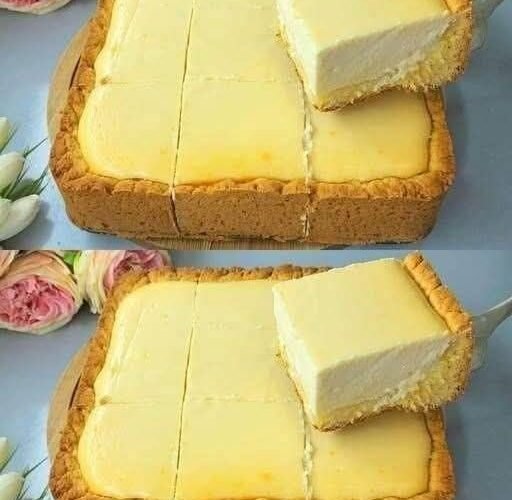
Torta della Nonna: Classic Italian Custard Tart with Pine Nuts
What Is Torta della Nonna?
Torta della Nonna is a classic Italian custard tart made with two layers of delicate pasta frolla and a smooth, creamy lemon pastry filling. The name translates roughly to “Grandmother’s Cake,” and the dessert has become one of the most recognizable traditional Italian pastries. Despite its elegant appearance, Torta della Nonna is made from simple ingredients that come together beautifully. A buttery shortcrust pastry surrounds a rich crema pasticcera flavored with lemon zest and vanilla, while pine nuts scattered across the top provide a lightly toasted crunch. A generous dusting of powdered sugar completes the tart and gives it its characteristic bakery-style appearance. This Italian dessert is wonderful for family gatherings, afternoon coffee, dinner parties, holidays, or whenever you want to serve a traditional pastry with an impressive presentation.
Why You’ll Love This Classic Italian Tart
There is something especially comforting about a homemade Torta della Nonna. The pastry is buttery and delicate, while the pastry cream is smooth, creamy, and lightly scented with lemon and vanilla. The pine nuts on top add another layer of texture, creating a pleasant contrast with the soft custard underneath. Unlike heavily decorated cakes, this traditional Italian tart relies on quality ingredients and simple presentation. The golden pastry, creamy filling, toasted pine nuts, and snowy powdered sugar create an elegant dessert without requiring complicated decoration. It is also a wonderful make-ahead dessert because the tart can be prepared and chilled before serving. Once sliced, each piece reveals the beautiful layers of pastry and creamy custard, making Torta della Nonna just as attractive inside as it is on the outside.
The Two Main Components of Torta della Nonna
This recipe has two important components: pasta frolla and crema pasticcera. Pasta frolla is the Italian-style shortcrust pastry used to form both the base and top of the tart. It is made with flour, sugar, cold butter, egg yolks, lemon zest, vanilla extract, and a pinch of salt. Crema pasticcera is the creamy Italian pastry cream that fills the tart. It combines whole milk, egg yolks, sugar, cornstarch, lemon zest, and vanilla extract. These two components complement one another perfectly. The pastry provides a rich, buttery shell, while the custard contributes softness and creamy sweetness. Once assembled and baked together, they create a dessert that is balanced rather than overly complicated.
Ingredients for the Pasta Frolla
The pasta frolla begins with 2½ cups of all-purpose flour, which provides the structure for the pastry. Three-quarters cup of granulated sugar adds sweetness, while 1 cup of cold unsalted butter provides the rich, tender texture associated with Italian shortcrust pastry. Two large egg yolks help bind the dough and contribute richness. Lemon zest adds a fresh citrus aroma, and 1 teaspoon of vanilla extract provides additional depth. A pinch of salt helps balance the sweetness and enhances the buttery flavor. Keeping the butter cold is particularly important when making shortcrust pastry because it helps maintain a crumbly, tender texture. The dough should be mixed only until it comes together rather than being heavily worked.
Ingredients for the Crema Pasticcera
The pastry cream uses 2 cups of whole milk, 4 large egg yolks, ½ cup of granulated sugar, and ¼ cup of cornstarch. The milk creates the creamy base, while egg yolks provide richness and help create the characteristic custard texture. Sugar sweetens the filling, and cornstarch helps thicken it so the pastry cream remains stable inside the tart. Lemon zest is added in wide strips without the white pith, allowing the milk to absorb the fragrant citrus oils without introducing excessive bitterness. One teaspoon of vanilla extract is added after cooking to give the finished pastry cream a warm and rounded flavor. The result should be smooth, thick, creamy, and easy to spread across the pastry base.
Why Lemon Zest Is Important
Lemon is one of the key flavor elements in Torta della Nonna. Rather than making the tart strongly sour, lemon zest provides a subtle citrus fragrance that brightens the rich butter and creamy custard. The recipe uses lemon zest in both the pasta frolla and pastry cream, creating a consistent citrus note throughout the dessert. For the pastry cream, the zest should be removed after steeping the milk. Use wide strips of zest and avoid including the white pith, which can contribute bitterness. Fresh lemon zest works particularly well because its natural oils provide a vibrant aroma. Combined with vanilla, it gives the custard a classic Italian pastry-shop character.
How to Make the Pastry Cream
Start by preparing the crema pasticcera because it needs time to cool before the tart is assembled. Pour the whole milk into a saucepan and add the wide strips of lemon zest. Heat the milk over medium heat until it is hot but not boiling. Remove the saucepan from the heat and let the lemon zest steep in the warm milk for about 10 minutes. This allows the citrus aroma to infuse the milk. After steeping, remove the lemon zest. Meanwhile, whisk the egg yolks and sugar together in a bowl until the mixture becomes pale and slightly thickened. Add the cornstarch and whisk until smooth and free of lumps.
Tempering the Egg Mixture
Tempering is an important step when making pastry cream because it helps prevent the egg yolks from cooking too quickly when they come into contact with the warm milk. Slowly pour the warm infused milk into the egg yolk mixture while whisking continuously. Continue whisking as the milk is added so the ingredients combine smoothly. Once the mixture is thoroughly combined, pour it back into the saucepan. This gradual process creates a smooth custard base and helps prevent scrambled pieces of egg from developing. Take your time during this stage rather than pouring all of the hot milk into the egg mixture at once. Constant whisking is the easiest way to keep the mixture smooth.
Cooking the Crema Pasticcera
Return the saucepan to the stove and cook the mixture over medium-low heat, stirring continuously. As the mixture warms, the cornstarch begins to thicken the custard and the egg yolks contribute richness. Continue stirring until the pastry cream becomes thick, smooth, and creamy. According to the supplied recipe, this usually takes approximately 5 to 7 minutes. Do not walk away from the saucepan during this stage because pastry cream can thicken quickly. Once it has reached a creamy, thick consistency, remove it from the heat and stir in the vanilla extract. The finished pastry cream should be smooth enough to spread but thick enough to stay inside the tart when sliced.
Cooling the Pastry Cream
Transfer the cooked pastry cream to a bowl immediately after removing it from the heat. Cover the surface directly with plastic wrap. Pressing the plastic wrap against the surface prevents a thick skin from forming while the cream cools. Allow the pastry cream to cool completely before using it to fill the tart. Once cooled, refrigerate it until you are ready to assemble the Torta della Nonna. This step is important because warm pastry cream can soften the chilled pastry dough and make assembly more difficult. Preparing the custard in advance also makes the final stages of the recipe easier. When the pastry cream is cold and the pasta frolla has been properly chilled, the tart can be assembled neatly.
Making the Pasta Frolla
While the pastry cream cools, prepare the pasta frolla. Add the all-purpose flour, granulated sugar, salt, and lemon zest to a large mixing bowl. Mix the dry ingredients so the sugar, salt, and lemon zest are distributed throughout the flour. Add the cold butter cubes and begin rubbing them into the flour mixture with your fingertips. Continue until the mixture resembles coarse crumbs. Working quickly is helpful because you want the butter to remain cold. The mixture does not need to become completely smooth at this stage. Small pieces of butter incorporated into the flour help create the tender texture associated with shortcrust pastry.
Adding the Egg Yolks and Vanilla
Once the butter has been worked into the flour mixture, add the two egg yolks and vanilla extract. Gently mix until the dough just comes together. Avoid kneading or working the pastry extensively. The goal is to create a cohesive dough without developing too much gluten. The finished pasta frolla should feel soft but should not be sticky. If the dough comes together quickly, stop mixing immediately. Overworking the pastry can make it less tender and more difficult to handle. Once the dough has formed, shape it into a disk rather than leaving it as a loose mass. Wrap the disk securely in plastic wrap and refrigerate it for at least 30 minutes.
Why Chilling the Pasta Frolla Matters
Chilling the dough is essential for both texture and structure. Cold butter helps the pastry maintain its shape during rolling and baking, while resting the dough allows the ingredients to settle. A chilled dough is also easier to roll between sheets of parchment paper. If the dough is too warm, it can become sticky and difficult to transfer to the tart pan. Refrigerating the pasta frolla for at least 30 minutes gives it enough time to firm up. Do not skip this stage even if the dough seems easy to handle immediately after mixing. Properly chilled pastry will generally be easier to shape and will help create a more stable tart shell.
Rolling the Pasta Frolla
Once the dough has chilled, remove it from the refrigerator and divide it into two portions. Reserve approximately one-third for the top and use about two-thirds for the base and sides. Roll the larger portion between two sheets of parchment paper until it reaches approximately ⅛ inch thickness. Rolling the dough between parchment sheets reduces sticking and makes the thin pastry easier to handle. Try to maintain an even thickness throughout the pastry. An uneven crust can lead to areas that brown faster than others. If the dough becomes too soft while rolling, place it back in the refrigerator for a short time before continuing.
Preparing the Tart Pan
For this recipe, use a 9-inch (23 cm) tart pan with a removable bottom. Carefully transfer the larger sheet of rolled pastry into the pan. Gently press it into the bottom and up the sides without stretching the dough. Stretching can cause the pastry to shrink during baking, so handle it gently. Trim away excess dough around the edges to create a neat border. Once the pastry is fitted into the pan, lightly prick the bottom with a fork. These small holes help reduce excessive puffing of the pastry base while it bakes. Take care not to make the holes so deep that they create large openings through which the pastry cream could escape.
Filling the Tart with Pastry Cream
Once the pastry shell is prepared, spread the completely cooled crema pasticcera evenly over the base. Use a spatula or the back of a spoon to create an even layer. Avoid overfilling the tart because the pastry cream needs to remain contained by the top crust. A smooth, level layer will also make it easier to position the upper pastry sheet. The creamy filling should reach across the pastry base while leaving the pastry edges available for sealing. At this stage, the contrast between the golden pasta frolla and pale custard is already beginning to resemble the classic Italian dessert.
Adding the Top Layer of Pastry
Roll out the remaining portion of pasta frolla to approximately ⅛ inch thickness. Carefully place it over the pastry cream. Gently press the edges together to seal the top and bottom layers of pastry. Trim away any excess dough around the perimeter. The seal should be secure enough to prevent the pastry cream from escaping during baking. Lightly prick the top crust with a fork. These small holes allow steam to escape and are part of the traditional appearance of the tart. Handle the top layer gently because the thin pastry can tear during transfer. If a small tear appears, it can generally be pressed closed before baking.
Adding the Pine Nuts
Pine nuts are one of the signature finishing ingredients in Torta della Nonna. Sprinkle 3 to 4 tablespoons of pine nuts evenly over the top of the pastry. Try to distribute them across the surface so each slice receives some toasted nuts. The pine nuts provide a delicate crunch and a mild, buttery nuttiness that complements the creamy filling. They also give the tart its recognizable traditional appearance. As the tart bakes, the pine nuts develop a lightly toasted flavor and attractive golden color. There is no need for additional elaborate decoration because the pine nuts and powdered sugar provide enough visual appeal.
Baking Torta della Nonna
Preheat the oven to 350°F (180°C). Place the assembled tart into the preheated oven and bake for approximately 40 to 45 minutes, or until the pastry is golden and fully baked. The exact baking time can vary depending on the oven and the thickness of the pastry. Keep an eye on the top during the final part of baking. If the pastry or pine nuts begin to brown too quickly, loosely cover the tart with foil during the last 10 minutes. The goal is a beautifully golden crust with a fully baked pastry shell. Avoid removing the tart too early because the pastry needs sufficient time to cook through.
Cooling the Finished Tart
Once the Torta della Nonna is finished baking, remove it from the oven and allow it to cool completely in the tart pan. This cooling period is important because the pastry cream needs time to settle. Cutting the tart while it is still hot can cause the filling to be too loose and make the slices difficult to serve. Cooling also allows the pastry to firm and makes removing the tart from the pan easier. Once completely cooled, carefully remove the tart from the pan. Handle it gently, especially around the edges. The removable-bottom pan makes this process much easier and allows the finished dessert to be transferred to a serving plate.
Finishing with Powdered Sugar
Just before serving, dust the cooled tart generously with powdered sugar. This simple finishing touch is one of the defining visual elements of Torta della Nonna. The white powdered sugar contrasts beautifully with the golden pastry and toasted pine nuts. It also adds a subtle extra sweetness without overwhelming the lemon-scented custard. For the best appearance, dust the powdered sugar shortly before serving. If added too far in advance, it can gradually absorb moisture from the tart and lose some of its bright white appearance. A fine, even layer gives the dessert an elegant Italian pastry-shop finish.
How to Serve Torta della Nonna
Torta della Nonna is best served at room temperature, allowing the pastry and creamy filling to reach their ideal texture. It makes a wonderful dessert after a light Italian-inspired meal and pairs particularly well with espresso or cappuccino. The creamy custard, buttery pastry, lemon aroma, and pine nuts create a satisfying combination without needing a heavy sauce or additional topping. Cut the tart into neat wedges and serve each piece with the powdered sugar visible on top. Because the dessert is rich but delicately flavored, relatively small slices are often enough to provide a satisfying ending to a meal.
Tips for Perfect Torta della Nonna
A few simple techniques can make a noticeable difference when preparing this classic Italian tart. Keep the butter cold when making the pasta frolla and avoid overworking the dough. Chill the pastry before rolling and make sure the pastry cream is completely cooled before filling the tart. When rolling the dough, aim for an even thickness so the pastry bakes consistently. Seal the top crust carefully around the edges to keep the custard contained. Watch the pine nuts and pastry toward the end of baking and cover loosely with foil if they brown too quickly. Finally, allow the tart to cool completely before removing it from the pan and dusting it with powdered sugar.
Common Mistakes to Avoid
One common mistake is using warm butter when making the pasta frolla. Warm butter can make the dough overly soft and difficult to roll. Another mistake is overworking the pastry, which can produce a less tender crust. When preparing the pastry cream, continuous whisking is important during cooking to prevent lumps and scorching. The custard should also be cooled completely before being spread over the pastry. During assembly, avoid stretching the dough as you fit it into the tart pan. Finally, do not rush the cooling stage after baking. The tart needs time to settle so that the pastry cream becomes easier to slice and serve neatly.
Make-Ahead Preparation
Torta della Nonna can be convenient when you need to prepare dessert ahead of a meal. The pastry cream can be prepared first and cooled before assembling the tart. The pasta frolla can also be prepared and chilled before rolling. Once assembled, the tart can be baked and allowed to cool completely before serving. Preparing individual components ahead of time can make the final assembly much less stressful. If you are serving the tart for a dinner party, consider preparing the pastry cream and pasta frolla earlier in the day. The finished tart can then be baked, cooled, and finished with powdered sugar shortly before serving.
How to Store Torta della Nonna
Because the tart contains a creamy pastry filling made with milk and egg yolks, it should be stored in the refrigerator. According to the supplied recipe, Torta della Nonna can be refrigerated for up to 3 days. Keep it covered appropriately to protect the pastry and filling. Before serving, bring the tart back toward room temperature so the pastry and custard are not overly cold. The supplied recipe recommends not freezing the tart because the pastry cream may separate and lose its smooth texture after thawing. Refrigerated storage for a short period is therefore the preferred option for maintaining the quality of the dessert.
Why This Italian Dessert Is So Special
Torta della Nonna demonstrates how simple ingredients can create an elegant dessert when they are prepared carefully. There are no complicated decorations or unusual ingredients. Instead, the recipe depends on buttery pasta frolla, smooth lemon pastry cream, fragrant vanilla, crunchy pine nuts, and powdered sugar. Every component has a purpose. The pastry provides structure and richness, the custard adds creamy softness, lemon brings freshness, pine nuts contribute texture, and powdered sugar creates a classic finish. The combination feels both rustic and refined, which is part of the charm of traditional Italian baking. It is the kind of dessert that looks beautiful on a table while still feeling homemade and comforting.
Frequently Asked Questions
What does Torta della Nonna mean?
Torta della Nonna is an Italian name that translates approximately to “Grandmother’s Cake.” It refers to a traditional Italian tart made with shortcrust pastry and pastry cream.
Can I prepare the pastry cream ahead of time?
Yes. The pastry cream can be cooked, covered directly with plastic wrap, cooled completely, and refrigerated until you are ready to assemble the tart.
Why does the pastry cream need to cool before filling the tart?
Completely cooled pastry cream is easier to spread and helps prevent the pastry dough from becoming overly soft during assembly.
Can I use another type of nut instead of pine nuts?
Pine nuts are traditional for Torta della Nonna and provide the characteristic flavor and appearance. Other nuts could change the traditional character of the dessert.
Why is my pastry dough difficult to roll?
The dough may be too cold or may need a brief rest before rolling. Let it sit for a short time if necessary, but avoid allowing the butter to become very soft.
Why did my pastry shrink?
Stretching the dough when fitting it into the tart pan can encourage shrinkage. Handle the pastry gently and avoid pulling it tightly into the pan.
Can I freeze Torta della Nonna?
The supplied recipe recommends against freezing because the pastry cream may separate after thawing. Refrigeration for up to 3 days is recommended instead.
Final Thoughts
Torta della Nonna is a beautiful example of traditional Italian baking at its best. The recipe combines a delicate lemon-scented pasta frolla with rich crema pasticcera, then finishes the tart with pine nuts and powdered sugar. Although it requires several steps, each component is straightforward when prepared carefully. The result is a golden, elegant tart with crisp pastry, creamy custard, fragrant citrus, and a pleasant nutty topping. Serve it at room temperature with espresso, cappuccino, or your favorite coffee for a classic Italian-style dessert experience. Whether you are making it for a family gathering, holiday meal, afternoon treat, or dinner party, this homemade Torta della Nonna is a dessert that brings traditional Italian flavor and timeless presentation to the table.
Recipe Card
Torta della Nonna
Description
Torta della Nonna is a classic Italian custard tart made with buttery pasta frolla, smooth lemon-infused crema pasticcera, crunchy pine nuts, and a generous dusting of powdered sugar. This traditional Italian dessert has a delicate pastry crust and creamy vanilla-lemon filling, making it perfect for family gatherings, dinner parties, afternoon coffee, and special occasions.
Preparation & Cooking Time
Pastry Cream: Approximately 15–20 minutes, plus cooling
Pastry Dough: Approximately 15 minutes
Dough Chilling: At least 30 minutes
Baking: 40–45 minutes
Oven Temperature: 350°F (180°C)
Cooling: Until completely cooled before serving
Serving
Pan: 9-inch (23 cm) tart pan with removable bottom
Servings: Not specified in the supplied recipe
Best Served: At room temperature with espresso or cappuccino
Ingredients
For the Pasta Frolla (Shortcrust Pastry)
2½ cups all-purpose flour
¾ cup granulated sugar
1 cup unsalted butter, cold and cut into cubes
2 large egg yolks
Zest of 1 lemon
1 teaspoon vanilla extract
Pinch of salt
For the Crema Pasticcera (Pastry Cream)
2 cups whole milk
4 large egg yolks
½ cup granulated sugar
¼ cup cornstarch
Zest of 1 lemon, in wide strips with no white pith
1 teaspoon vanilla extract
For the Topping
3 to 4 tablespoons pine nuts
Powdered sugar for dusting
Equipment Needed
Mixing bowls
Saucepan
Whisk
Rolling pin
9-inch (23 cm) tart pan with removable bottom
Plastic wrap
Fine mesh sieve, optional
Parchment paper
Step-by-Step Instructions
- Heat the milk: Pour the milk into a saucepan and add the lemon zest. Heat over medium heat until hot but not boiling. Remove from the heat and let it steep for 10 minutes. Remove the lemon zest.
- Whisk the egg yolks and sugar: In a bowl, whisk the egg yolks and sugar until pale and slightly thickened.
- Add cornstarch: Whisk the cornstarch into the egg mixture until smooth and lump-free.
- Temper the mixture: Slowly pour the warm milk into the egg mixture while whisking constantly.
- Cook the pastry cream: Return the mixture to the saucepan and cook over medium-low heat, stirring continuously until thick, smooth, and creamy, approximately 5–7 minutes.
- Add vanilla: Remove from the heat and stir in the vanilla extract.
- Cool the pastry cream: Transfer the pastry cream to a bowl. Cover the surface directly with plastic wrap to prevent a skin from forming. Cool completely, then refrigerate.
- Make the pasta frolla: In a large bowl, combine flour, sugar, salt, and lemon zest.
- Add cold butter: Add the cold butter cubes and rub them into the flour mixture with your fingertips until it resembles coarse crumbs.
- Add egg yolks and vanilla: Add the egg yolks and vanilla extract. Gently mix until the dough just comes together.
- Chill the dough: Form the dough into a disk, wrap it in plastic wrap, and refrigerate for at least 30 minutes.
- Roll the dough: Remove the chilled dough from the refrigerator. Reserve approximately one-third for the top. Roll the larger portion between two sheets of parchment paper to about ⅛ inch thickness.
- Line the tart pan: Carefully place the rolled pastry into the 9-inch tart pan. Press gently into the bottom and sides. Trim excess dough and lightly prick the base with a fork.
- Add the pastry cream: Spread the cooled pastry cream evenly over the pastry base.
- Add the top crust: Roll out the remaining dough and carefully place it over the pastry cream. Press the edges gently to seal, then trim excess dough.
- Prick the top: Lightly prick the top pastry layer with a fork.
- Add pine nuts: Sprinkle 3 to 4 tablespoons of pine nuts evenly over the top.
- Bake: Preheat the oven to 350°F (180°C). Bake for 40–45 minutes, or until the pastry is golden and fully baked.
- Protect the top if necessary: If the tart or pine nuts are browning too quickly, loosely cover the tart with foil during the final 10 minutes.
- Cool completely: Remove the tart from the oven and let it cool completely in the pan.
- Finish and serve: Remove the cooled tart from the pan and dust generously with powdered sugar just before serving.
Serving Suggestions
Serve at room temperature for the best texture.
Pair with espresso or cappuccino.
Serve as an elegant dessert after a light meal.
Dust with powdered sugar immediately before serving.
Storage
Store Torta della Nonna in the refrigerator for up to 3 days. Bring it toward room temperature before serving for a better pastry and custard texture. The supplied recipe recommends not freezing the finished tart because the pastry cream may separate after thawing.
Recipe Notes
Cold butter: Keep the butter cold when making the pasta frolla for a tender shortcrust pastry.
Do not overwork the dough: Mix only until the pastry comes together.
Chill the dough: Refrigerate the pasta frolla for at least 30 minutes before rolling.
Cool the pastry cream: Make sure the crema pasticcera is completely cool before filling the tart.
Avoid stretching: Gently fit the pastry into the tart pan without stretching it.
Watch the pine nuts: Cover loosely with foil during the final 10 minutes if the top begins browning too quickly.
Powdered sugar: Dust the tart shortly before serving for the freshest appearance.
Nutritional Information
Nutritional information was not provided with the supplied recipe. Exact calories, carbohydrates, protein, fat, sugar, and other nutritional values will depend on ingredient brands and the final number of servings. For accurate nutritional information, calculate the recipe using the exact ingredients and serving size used when preparing the tart.
Recipe Keywords
Torta della Nonna, Italian custard tart, Italian dessert, Italian pastry, pasta frolla, crema pasticcera, Italian grandmother cake, pine nut tart, lemon custard tart, traditional Italian dessert, homemade Italian tart, classic Italian recipes