 Cooking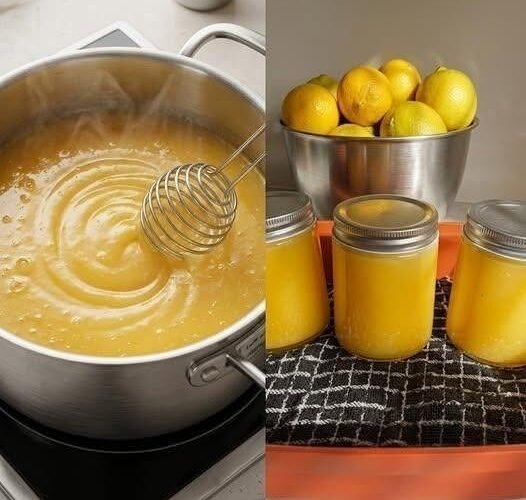
Homemade Lemon Curd Recipe
Introduction
Homemade Lemon Curd is a smooth, creamy, and delicious citrus spread made with fresh lemons, eggs, sugar, and butter. It has a bright lemon flavor that balances sweetness with a refreshing tang. Its rich, silky texture makes it perfect for spreading on toast, filling cakes, topping pancakes, or adding a burst of citrus flavor to your favorite desserts.
Making lemon curd at home is surprisingly simple and requires only a few basic ingredients. With gentle heat and a little patience, you can create a delicious homemade spread that tastes fresh and flavorful. Unlike many store-bought versions, homemade lemon curd allows you to control the sweetness and enjoy the natural flavor of fresh lemons.
This easy lemon curd recipe is perfect for anyone who loves citrus desserts. Whether you want to prepare a filling for a lemon cake, add something special to your breakfast, or make a sweet topping for scones, this recipe is a wonderful choice.
What Is Lemon Curd?
Lemon curd is a thick, creamy citrus spread traditionally made with lemon juice, lemon zest, eggs, sugar, and butter. It has a rich custard-like texture and a sweet, tangy flavor that makes it especially popular in baking and dessert recipes.
Unlike traditional fruit jams, lemon curd gets its creamy consistency from eggs and butter rather than pectin. The eggs thicken the mixture as it cooks, while the butter adds richness and creates a smooth, glossy finish.
When freshly prepared, lemon curd is soft and pourable. After refrigeration, it becomes thicker and easier to spread. Its refreshing citrus flavor pairs beautifully with cakes, pastries, cookies, pancakes, and fresh fruit.
Why You’ll Love This Homemade Lemon Curd Recipe
There are many reasons to make homemade lemon curd. First, it requires simple ingredients that are easy to find in most kitchens. Fresh lemons provide a bright, natural citrus flavor, while eggs, sugar, and butter create a rich and creamy texture.
Another reason to love this recipe is its versatility. You can use lemon curd as a breakfast spread, dessert topping, cake filling, or pastry ingredient. A small amount can add a refreshing lemon flavor to many sweet dishes.
This recipe is also easy to prepare ahead of time. Once the curd has cooled and thickened in the refrigerator, it can be stored in an airtight container and used whenever needed.
Finally, homemade lemon curd gives you control over the flavor and consistency. You can adjust the cooking time to achieve your preferred thickness and use fresh lemon zest for a stronger citrus aroma.
Ingredients for Homemade Lemon Curd
This recipe uses a simple combination of fresh ingredients to create a smooth and flavorful lemon curd.
Main Ingredients
- Fresh Lemons: Four large lemons provide the fresh juice and zest needed for a bright citrus flavor.
- Large Eggs: Three whole eggs help thicken the curd and create its creamy consistency.
- Egg Yolk: One additional egg yolk adds richness and helps create a smooth texture.
- Granulated Sugar: Three-quarters of a cup balances the tartness of the lemons.
- Fresh Lemon Juice: Half a cup of freshly squeezed lemon juice gives the curd its signature tangy flavor.
- Lemon Zest: One tablespoon of finely grated lemon zest adds a concentrated citrus aroma.
- Unsalted Butter: Half a cup of butter creates a rich, silky, and glossy finish.
- Salt: A small pinch balances the sweetness and enhances the overall flavor.
Optional Ingredient
- Vanilla Extract: One teaspoon of vanilla extract can be added for a subtle, warm flavor.
Choosing the Best Lemons
Fresh lemons are the most important ingredient in this recipe because they provide both the juice and zest. Choose lemons that feel firm and relatively heavy for their size, as they often contain plenty of juice.
Look for lemons with brightly colored skin and minimal wrinkles. Since the recipe uses lemon zest, wash the lemons thoroughly before preparing them.
Freshly squeezed lemon juice generally provides a brighter flavor than bottled juice. Using fresh zest also gives the curd a more pronounced citrus aroma.
How to Make Lemon Curd
Step 1: Prepare the Lemons
Wash and dry the lemons thoroughly. Using a fine grater or microplane, remove the yellow outer layer of the lemon peel.
Avoid grating too deeply into the white layer beneath the skin because it can add bitterness. Measure approximately one tablespoon of finely grated lemon zest.
Cut the lemons in half and squeeze out the juice. Strain the juice through a fine-mesh sieve to remove seeds and larger pieces of pulp. Measure half a cup of fresh lemon juice.
Step 2: Whisk the Eggs and Sugar
Place three whole eggs and one egg yolk in a heatproof bowl. Add the granulated sugar and whisk until the mixture is smooth and evenly combined.
Add the lemon zest and a small pinch of salt. Mix gently until everything is incorporated.
There is no need to whip the eggs excessively. The goal is simply to combine the ingredients thoroughly before adding the lemon juice.
Step 3: Add the Lemon Juice
Slowly pour the strained lemon juice into the egg mixture while whisking continuously.
Continue mixing until the juice is evenly incorporated. The mixture will be thin at this stage, which is completely normal.
The eggs will begin to thicken the mixture once it is heated.
Step 4: Cook the Lemon Curd
Transfer the mixture to a saucepan and place it over low to medium-low heat.
You can also use a heatproof bowl over gently simmering water if you prefer a double-boiler method.
Stir continuously with a whisk or silicone spatula, making sure to scrape the bottom and sides of the pan regularly.
Cook for approximately 8–12 minutes, or until the mixture gradually thickens. Avoid high heat because the eggs can cook too quickly and form small lumps.
Step 5: Check the Consistency
To check whether the lemon curd is ready, dip a spoon into the mixture and lift it out.
The curd should coat the back of the spoon. Draw a finger through the coating. If the line remains visible instead of immediately filling in, the curd has thickened sufficiently.
If you are using a kitchen thermometer, approximately 170–175°F (77–80°C) is a useful target range.
The curd should be thick but still pourable while hot. It will become firmer as it cools.
Step 6: Add the Butter
Remove the saucepan from the heat once the curd reaches the desired consistency.
Cut the unsalted butter into small pieces and gradually add them to the warm mixture.
Stir after each addition until the butter melts completely.
Continue mixing until the curd becomes smooth, creamy, and glossy.
If you want to include vanilla extract, add it at this stage and stir until evenly combined.
Step 7: Strain the Lemon Curd
Place a fine-mesh sieve over a clean bowl.
Pour the warm lemon curd through the sieve and gently press it through with a spatula.
This step removes tiny cooked egg particles and any remaining solids, creating an exceptionally smooth texture.
Straining is especially useful if you plan to use the lemon curd as a filling for cakes, tarts, or pastries.
Step 8: Cool and Refrigerate
Transfer the strained lemon curd to a clean container or bowl.
If using plastic wrap, press it directly against the surface of the curd to help prevent a skin from forming.
Allow the curd to cool for approximately 20–30 minutes before transferring it to the refrigerator.
Refrigerate until completely chilled and thickened.
Once cold, the lemon curd will have a rich, creamy consistency that is easy to spread and use in desserts.
Tips for Making Perfect Lemon Curd
Use Fresh Lemon Juice
Freshly squeezed lemon juice gives the curd a bright, natural citrus flavor. Since lemon is the main ingredient, using fresh fruit makes a noticeable difference in the final taste.
Cook Over Gentle Heat
Low to medium-low heat is essential for achieving a smooth texture. Excessive heat can cause the eggs to cook too quickly, resulting in a curdled mixture.
Stir Continuously
Constant stirring helps distribute heat evenly throughout the mixture. It also prevents the curd from sticking to the bottom of the saucepan.
Avoid the White Lemon Pith
When preparing lemon zest, grate only the yellow outer layer of the peel. The white pith beneath it can contribute a bitter flavor.
Strain for a Smooth Finish
Straining the finished curd removes tiny cooked egg particles and creates a silky texture. This step is especially helpful when using lemon curd in delicate desserts.
Allow Enough Cooling Time
Lemon curd may appear relatively soft when it is hot. It becomes thicker as it cools, so allow it to chill completely before deciding whether the consistency is right.
Ways to Use Homemade Lemon Curd
Homemade lemon curd is incredibly versatile and can be used in many sweet dishes.
Spread on Toast and Scones
Spread chilled lemon curd over toast, English muffins, or warm scones for a refreshing breakfast or afternoon snack.
Its sweet and tangy flavor pairs beautifully with buttery baked goods.
Use as a Cake Filling
Lemon curd makes a delicious filling for vanilla, coconut, almond, berry, and white-chocolate cakes.
For the best results, chill the curd completely before using it between cake layers.
You can also pipe a ring of buttercream around the edge of the cake layer and place the lemon curd inside the border to help keep the filling in place.
Fill Cupcakes
Add a spoonful of chilled lemon curd to the center of cupcakes for a bright citrus surprise.
It works particularly well with vanilla, lemon, and berry-flavored cupcakes.
Top Pancakes and Waffles
Spoon lemon curd over warm pancakes or waffles for a sweet and tangy breakfast.
You can pair it with fresh strawberries, blueberries, or whipped cream for extra flavor.
Fill Tarts and Pastries
Lemon curd is a classic filling for sweet pastry shells and lemon tarts.
It also works well in Danish pastries, croissants, and other baked treats.
Serve with Fresh Fruit
Pair lemon curd with fresh strawberries, blueberries, raspberries, or other berries.
You can also layer it with whipped cream and fruit to create a simple dessert.
Add to Yogurt
Swirl a spoonful of lemon curd into plain yogurt for a creamy, citrus-flavored snack or breakfast.
It can also be layered with berries and granola for a simple parfait.
Lemon Curd Flavor Variations
Lemon-Ginger Curd
Add a small amount of freshly grated ginger to the mixture for a warm, slightly spicy flavor that complements the citrus.
Lime Curd
Replace the lemon juice and zest with fresh lime juice and zest for a sharper citrus flavor.
Orange Curd
Use orange juice and orange zest instead of lemon for a sweeter, milder citrus spread.
Meyer Lemon Curd
Meyer lemons can be used for a softer, more floral citrus flavor.
Lemon and Berry Dessert
Layer lemon curd with fresh berries and whipped cream for a simple dessert that combines creamy, fruity, and tangy flavors.
Lemon-Coconut Combination
Serve lemon curd with coconut cake, coconut cookies, or whipped cream for a delicious combination of citrus and coconut flavors.
Common Mistakes to Avoid
Cooking over high heat: High heat can cause the eggs to cook too quickly and create lumps. Keep the temperature low and stir continuously.
Stopping the stirring: Leaving the mixture unattended can cause it to stick to the pan or cook unevenly.
Adding too much zest: Excessive lemon zest can create a strong flavor and may introduce bitterness if the white pith is included.
Expecting the curd to be very thick while hot: Lemon curd thickens further as it cools, so avoid overcooking it in an attempt to achieve a firm consistency.
Skipping the straining step: Straining helps remove small cooked egg particles and creates a smoother texture.
Storing it uncovered: Always keep lemon curd in a clean, airtight container in the refrigerator.
How to Store Homemade Lemon Curd
Allow the lemon curd to cool before transferring it to a clean, airtight container.
Keep it refrigerated and use it within approximately 1–2 weeks for best quality.
Always use a clean spoon when serving to help maintain its quality.
Can You Freeze Lemon Curd?
Yes, lemon curd can be frozen for longer storage.
Transfer the cooled curd to a suitable freezer-safe container, leaving a little room for expansion.
When you are ready to use it, thaw it in the refrigerator and stir thoroughly to restore an even texture.
Frequently Asked Questions
Why Is My Lemon Curd Too Thin?
Lemon curd may be too thin if it has not been cooked long enough or has not fully chilled. It thickens as it cools, so refrigerate it before judging the final consistency.
Why Did My Lemon Curd Become Lumpy?
Lumps can form when the eggs are exposed to excessive heat or the mixture is not stirred continuously. Cooking gently and straining the finished curd can help create a smoother result.
Can I Make Lemon Curd Ahead of Time?
Yes. Lemon curd can be prepared ahead of time and refrigerated until needed. It is a convenient filling for cakes, tarts, and other desserts.
Does Lemon Curd Need to Be Refrigerated?
Yes. Homemade lemon curd contains eggs and butter and should be stored in the refrigerator in a clean, airtight container.
How Do I Know When Lemon Curd Is Ready?
The curd is ready when it coats the back of a spoon and a line drawn through the coating remains visible. It should be thick but still pourable while hot.
Can I Use Lemon Curd as a Cake Filling?
Yes. Chilled lemon curd makes a delicious cake filling. A buttercream border can help keep the filling from spreading toward the edges of the cake.
Homemade Lemon Curd Recipe Card
Homemade Lemon Curd
Description: A smooth, creamy, sweet, and tangy lemon spread made with fresh lemon juice, zest, eggs, sugar, and butter. Perfect for toast, cakes, pastries, pancakes, and desserts.
Preparation Time: 10 minutes
Cooking Time: 8–12 minutes
Cooling Time: 20–30 minutes, plus refrigeration
Total Time: Approximately 40–50 minutes, excluding additional chilling
Servings: 12–16 small servings
Difficulty: Easy
Cooking Method: Stovetop
Ingredients
- 4 large fresh lemons
- 3 large eggs
- 1 large egg yolk
- ¾ cup granulated sugar
- ½ cup fresh lemon juice
- 1 tablespoon finely grated lemon zest
- ½ cup unsalted butter, cut into small pieces
- 1 small pinch of salt
- 1 teaspoon vanilla extract (optional)
Instructions
- Wash and dry the lemons thoroughly.
- Finely grate the yellow outer peel and measure 1 tablespoon of lemon zest.
- Squeeze the lemons and strain the juice to remove seeds and pulp.
- Measure ½ cup of fresh lemon juice.
- Add the eggs, egg yolk, and sugar to a heatproof bowl.
- Whisk until smooth and evenly combined.
- Add the lemon zest and a pinch of salt.
- Slowly whisk the lemon juice into the egg mixture.
- Transfer the mixture to a saucepan.
- Cook over low to medium-low heat, stirring continuously.
- Continue cooking for approximately 8–12 minutes, until the mixture thickens.
- Check the consistency using the back-of-a-spoon test.
- Remove from the heat when the curd coats the spoon and a line drawn through it remains visible.
- Add the butter pieces gradually, stirring until completely melted.
- Add vanilla extract if desired.
- Pour the warm curd through a fine-mesh sieve.
- Transfer the smooth curd to a clean container.
- Cover the surface directly with plastic wrap if desired.
- Allow the curd to cool for approximately 20–30 minutes.
- Refrigerate until completely chilled and thickened.
- Serve as a spread, filling, topping, or dessert ingredient.
Approximate Nutrition Information
Per 2-tablespoon serving:
- Calories: 120 kcal
- Fat: 7 g
- Carbohydrates: 13 g
- Sugar: 12 g
- Protein: 1 g
Nutrition values are estimates and may vary depending on the exact ingredients and serving size.
Storage
- Refrigerator: Store in an airtight container for approximately 1–2 weeks for best quality.
- Freezer: Freeze in a suitable freezer-safe container and thaw in the refrigerator before using.
Recipe Notes
- Use fresh lemons for the brightest flavor.
- Cook gently and stir continuously to prevent curdling.
- Strain the curd for an especially smooth texture.
- Allow the curd to chill completely before using it as a filling.