 Cooking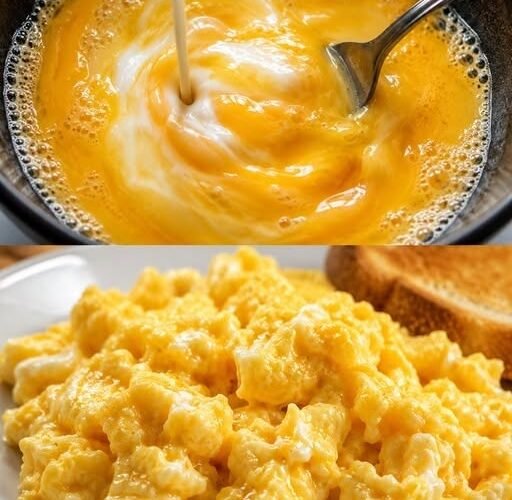
Creamy Soft Scrambled Eggs are a simple breakfast made extra special with gentle cooking, plenty of stirring, and a little patience. Instead of firm, dry curds, this method produces eggs that are silky, glossy, buttery, and wonderfully tender. The finished eggs have a delicate texture that almost melts in your mouth, making them ideal for a relaxed breakfast, weekend brunch, or an elegant meal served over warm toast.
The secret to perfect soft scrambled eggs is not complicated. You do not need unusual ingredients or special cooking equipment. What matters most is controlling the heat and paying attention to the eggs as they cook. A low temperature allows the proteins to set gradually, while continuous gentle stirring creates small, delicate curds. Removing the eggs while they are still slightly loose is equally important because they continue cooking from the residual heat of the pan.
Why You’ll Love These Creamy Soft Scrambled Eggs
There are plenty of reasons to make this easy scrambled egg recipe part of your breakfast routine. The eggs are ready in around 10 to 15 minutes, require only a few basic ingredients, and can be served in countless ways. They are naturally high in protein and make a satisfying breakfast without requiring complicated preparation.
The texture is what really makes this recipe special. Butter gives the eggs a rich, savory flavor, while a small amount of heavy cream or whole milk helps create a softer consistency. Salt enhances the natural flavor of the eggs, and black pepper adds a gentle finishing note. Once you learn the low-and-slow technique, you can easily customize the recipe with cream cheese, fresh herbs, cheddar, smoked salmon, mushrooms, or avocado.
What Makes Soft Scrambled Eggs Different?
Traditional scrambled eggs are often cooked over medium or medium-high heat until large curds form and the eggs become firm. While that method can produce delicious results, it is easy to overcook the eggs. Soft scrambled eggs take a different approach. They are cooked slowly over low heat, with frequent gentle stirring that keeps the curds small and creamy.
The goal is to stop cooking before the eggs become completely firm. Perfect soft scrambled eggs should look glossy and moist rather than dry. They should hold together when transferred to a plate but still have a soft, almost custard-like appearance. Because the eggs continue cooking slightly after leaving the pan, taking them off the heat at the right moment is one of the most important steps in the entire recipe.
Ingredients for Creamy Soft Scrambled Eggs
You only need five basic ingredients to make the main recipe. Use fresh large eggs whenever possible because they provide the best flavor and texture. Unsalted butter gives you control over the amount of salt while adding richness to the finished eggs.
Heavy cream or whole milk can be used depending on what you have available. Heavy cream creates an especially rich result, while whole milk produces a lighter but still creamy texture. Fine salt and black pepper complete the seasoning without overpowering the delicate flavor of the eggs.
Main Ingredients
4 large eggs
2 tablespoons unsalted butter
2 tablespoons heavy cream or whole milk
¼ teaspoon fine salt
⅛ teaspoon black pepper
Optional Add-Ins
For a more luxurious or flavorful version, you can add:
1 tablespoon cream cheese
1 tablespoon crème fraîche
1 tablespoon chopped chives
Fresh parsley
Grated cheddar cheese
Smoked salmon
Sautéed mushrooms
Avocado slices
Equipment You’ll Need
A nonstick skillet is ideal because the eggs are delicate and need to be moved constantly without sticking to the bottom. A silicone spatula works especially well because it can gently push the eggs across the pan while also scraping the surface clean.
You will also need a medium bowl for whisking the eggs and a whisk to combine the yolks and whites thoroughly. No mixer or complicated equipment is necessary, making this a practical recipe for everyday breakfasts.
How to Make Creamy Soft Scrambled Eggs
Step 1: Crack the Eggs
Crack the four eggs into a medium bowl. Take a moment to check for any small pieces of eggshell and remove them if necessary. Starting with the eggs in a bowl makes it easier to combine the ingredients evenly before they reach the pan.
Fresh eggs are especially useful for this recipe because their flavor is more noticeable when the ingredient list is so simple. There is no need to separate the yolks and whites; the entire egg is used.
Step 2: Whisk the Egg Mixture
Add the fine salt, black pepper, and heavy cream or whole milk to the eggs. Whisk thoroughly for about one minute, making sure the yolks and whites are completely combined.
The mixture should look smooth and slightly frothy. Thorough whisking helps distribute the seasoning and dairy evenly throughout the eggs. Avoid leaving streaks of separate egg white or yolk because an evenly mixed egg mixture produces more consistent scrambled eggs.
Step 3: Melt the Butter
Place a nonstick skillet over low heat. Add the unsalted butter and allow it to melt slowly.
The butter should melt without becoming brown or developing a toasted flavor. Keeping the pan over low heat is important because a very hot skillet can cause the eggs to set too quickly. For soft scrambled eggs, gentle heat gives you much more control.
Step 4: Add the Eggs
Pour the whisked egg mixture into the skillet. Allow it to sit for approximately 20 to 30 seconds.
You should see the eggs beginning to set gently around the edges. They should not immediately bubble, brown, or become firm. If the eggs are cooking extremely quickly, reduce the heat because the goal is a slow and controlled cooking process.
Step 5: Stir Gently and Constantly
Once the eggs begin to set, use a silicone spatula to slowly push the eggs from the edges toward the center. Continue moving the eggs around the pan, scraping the bottom frequently.
The movement should be gentle rather than aggressive. Slowly folding and pushing the eggs creates small, delicate curds while keeping them moist. Continue this process as the mixture gradually thickens.
Step 6: Cook Until Creamy
Keep the skillet over low heat and continue stirring. At first, the eggs may look extremely wet, but they will gradually become thicker as they cook.
This step usually takes about 4 to 6 minutes, although the exact cooking time can vary depending on the pan, stove, and heat level. Do not rush the process by turning up the heat. Patience is what produces the characteristic silky texture of soft scrambled eggs.
Step 7: Remove the Eggs Before They Are Fully Set
This is one of the most important steps. When the eggs are soft, glossy, and slightly loose, remove the skillet from the heat.
They may look a little underdone at this point, but that is exactly what you want. The eggs will continue cooking from the residual heat of the pan. Removing them early prevents them from becoming dry and rubbery.
Step 8: Add Extra Creaminess if Desired
If you want an especially rich result, immediately stir in cream cheese or crème fraîche. The warmth of the eggs will soften the ingredient and allow it to blend into the mixture.
This optional step creates an even more luxurious texture and works particularly well when serving the eggs on toast or alongside smoked salmon.
Step 9: Serve Immediately
Transfer the soft scrambled eggs to warm plates as soon as they reach the desired consistency. They continue to cook while sitting, so serving them immediately helps preserve their soft, creamy texture.
For a simple presentation, add freshly ground black pepper and chopped chives or parsley. Serve with buttered toast, sourdough, a bagel, or your favorite breakfast sides.
Chef-Style On-and-Off Heat Technique
For even more control, you can use an on-and-off heat method. Start cooking the eggs over low heat for about 30 seconds, then briefly remove the skillet from the heat while continuing to stir. Return the pan to the burner and repeat this process as needed.
This technique slows the cooking process and gives you additional control over the final texture. It is particularly helpful if your stove runs hot or if you are worried about accidentally overcooking the eggs.
Cream Cheese Soft Scrambled Eggs
For a richer breakfast, add one tablespoon of softened cream cheese during the final minute of cooking. Stir gently until the cream cheese melts into the warm eggs.
The cream cheese adds richness and creates a velvety texture. It also gives the eggs a slightly tangy flavor that pairs beautifully with toasted sourdough, bagels, smoked salmon, or fresh herbs.
Cheesy Soft Scrambled Eggs
Cheese is another easy way to transform these eggs. During the final minute of cooking, add ¼ cup shredded cheddar and ¼ cup Gruyère.
Allow the cheese to melt gently into the eggs while stirring carefully. The result is creamy, cheesy, and satisfying. For the best texture, avoid cooking the eggs for too long after adding the cheese.
Herb Soft Scrambled Eggs
Fresh herbs provide a simple way to brighten the rich flavor of the eggs. Chives, parsley, and dill are all excellent choices.
Add the herbs just before serving rather than cooking them for a long time. This preserves their fresh flavor and gives the finished dish a colorful appearance. A small sprinkle of chopped chives is especially good with buttery soft scrambled eggs.
What to Serve With Soft Scrambled Eggs
These eggs are incredibly versatile and can be served with many breakfast favorites. Spoon them over buttered toast or toasted sourdough for a simple meal. They also work beautifully inside an English muffin, bagel, or croissant for a more substantial breakfast sandwich.
For a balanced breakfast plate, serve the eggs with avocado slices, fresh fruit, roasted tomatoes, breakfast potatoes, smoked salmon, or turkey bacon. You can also add sautéed mushrooms for extra savory flavor.
Tips for Perfect Soft Scrambled Eggs
Use Low Heat
Low heat is the most important rule for this recipe. High temperatures cause the egg proteins to set rapidly, resulting in firm, rubbery, and sometimes dry eggs. Gentle heat gives you enough time to create creamy curds.
Keep the Eggs Moving
Frequent gentle stirring prevents large pieces from becoming overcooked while the rest of the mixture remains wet. Use a spatula to scrape the bottom and fold the eggs continuously.
Do Not Overcook
Remove the eggs while they still look slightly loose and glossy. Remember that residual heat will continue cooking them after the pan leaves the burner.
Do Not Brown the Butter
The butter should melt slowly without becoming browned. Brown butter has a stronger toasted flavor that can change the delicate taste of the eggs.
Serve Immediately
Soft scrambled eggs are at their best straight from the pan. The longer they sit, the more they continue to cook and firm up.
Common Mistakes to Avoid
One of the biggest mistakes is using high heat because it may seem like a faster way to cook breakfast. Unfortunately, fast cooking can make the eggs tough and dry. Another common mistake is leaving the eggs in the pan until they look completely cooked. By that point, they may already be overdone.
Avoid stirring too aggressively as well. The goal is to create delicate curds rather than break the eggs into tiny, dry pieces. Finally, do not prepare the eggs too far ahead of serving time. Their soft texture is best enjoyed immediately.
Storage and Reheating
Soft scrambled eggs are best eaten fresh, but leftovers can be refrigerated for up to one day in a covered container. When reheating, use gentle low heat and warm them only until heated through.
Avoid prolonged microwave heating because it can quickly make scrambled eggs rubbery. If using a microwave, heat them in short intervals and stir between intervals to distribute the heat more evenly.
Frequently Asked Questions
Why Are My Scrambled Eggs Watery?
If your eggs are very watery, they may need slightly more cooking time. However, soft scrambled eggs should remain moist and glossy. The key is to distinguish between pleasantly creamy eggs and completely uncooked liquid egg.
Should I Cook Soft Scrambled Eggs on Low Heat?
Yes. Low heat gives you greater control and allows the eggs to cook slowly. This produces smaller, softer curds and reduces the risk of overcooking.
Can I Use Milk Instead of Heavy Cream?
Yes. The recipe allows either heavy cream or whole milk. Heavy cream produces a richer result, while whole milk gives the eggs a slightly lighter texture.
Can I Add Cheese?
Absolutely. Cheddar and Gruyère are excellent choices. Add the cheese toward the end of cooking so it melts without requiring the eggs to remain on the heat for too long.
When Should I Take Scrambled Eggs Off the Heat?
Remove them when they are glossy, soft, and slightly loose. They should look just a little underdone because residual heat will continue cooking them.
Nutrition Information
Approximate nutrition per serving:
Calories: 220
Protein: 13 g
Fat: 18 g
Carbohydrates: 2 g
Sugar: 1 g
Sodium: 250 mg
Nutritional values are estimates and can vary depending on the specific ingredients and brands used.
Final Thoughts
Creamy Soft Scrambled Eggs prove that a simple breakfast can feel luxurious with the right technique. Fresh eggs, butter, a small amount of cream or milk, gentle heat, and continuous stirring are all you need to create tender, glossy curds with a rich and satisfying flavor.
Once you master the technique, this recipe becomes an easy foundation for countless breakfast combinations. Keep it classic with buttered toast and herbs, or make it more indulgent with cream cheese, Gruyère, smoked salmon, avocado, or sautéed mushrooms. The most important thing is to cook slowly, remove the eggs while they are still slightly loose, and serve them immediately for the creamiest possible result.
Recipe Card
Title: Creamy Soft Scrambled Eggs
Description: Rich, silky, buttery, and tender scrambled eggs gently cooked over low heat for small, delicate curds and an irresistibly creamy texture.
Preparation Time: 5 minutes
Cooking Time: 5–8 minutes
Total Time: 10–15 minutes
Servings: 2
Ingredients
4 large eggs
2 tablespoons unsalted butter
2 tablespoons heavy cream or whole milk
¼ teaspoon fine salt
⅛ teaspoon black pepper
Optional Add-Ins
1 tablespoon cream cheese
1 tablespoon crème fraîche
1 tablespoon chopped chives
Fresh parsley
Grated cheddar cheese
Smoked salmon
Sautéed mushrooms
Avocado slices
Instructions
Crack the eggs into a medium bowl.
Add salt, black pepper, and heavy cream or whole milk.
Whisk thoroughly for about 1 minute until smooth and slightly frothy.
Place a nonstick skillet over low heat and melt the butter slowly without browning it.
Pour the egg mixture into the skillet and allow it to begin setting for 20–30 seconds.
Use a silicone spatula to gently push the eggs from the edges toward the center.
Continue stirring and scraping the bottom frequently while keeping the heat low.
Cook for approximately 4–6 minutes, or until the eggs become thick, soft, and glossy.
Remove from the heat while the eggs are still slightly loose.
If desired, stir in cream cheese or crème fraîche for extra richness.
Transfer immediately to warm plates.
Garnish with fresh herbs or black pepper and serve immediately.
Nutrition Information
Per serving: Approximately 220 calories, 13 g protein, 18 g fat, 2 g carbohydrates, 1 g sugar, and 250 mg sodium.